
June reading recommendations
Discovering new (old) favourites

Happy Saturday,
It’s been a long time between newsletters. Since publishing my second novel, I feel like I blinked and it was June 2026.
I’ve recently finished writing a new manuscript, and while I take some time away from the story, I’ve started writing reviews of some of the books I’ve read lately.
It’s Winter in Australia and, for the past few months, I’ve been making a conscious effort to read books already on my shelves. Too often I reach for new releases even though I have countless novels sitting there, waiting to be plucked off the shelf.
So here is a wrap of some novels I’ve read recently.
*
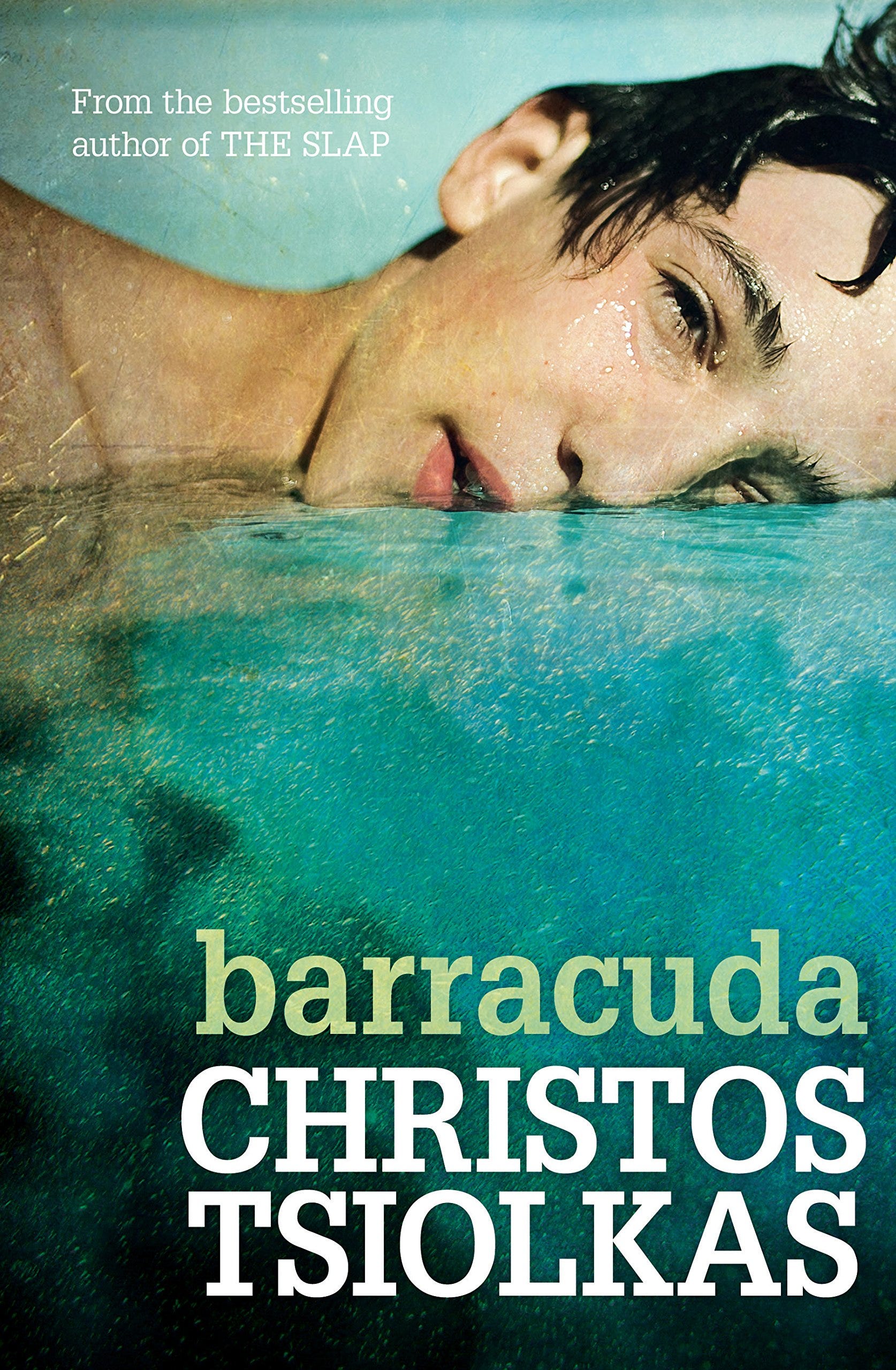
Barracuda by Christos Tsiolkas (2013)
Framed as a novel about competitive swimming, Barracuda quickly reveals itself to be about far more: family, identity, ambition, class, failure, and the painful process of growing up. Structured as a fragmented, non-linear biography, the novel moves between Danny Kelly’s teenage years in the 1990s, when he earns a scholarship to an elite Melbourne private school, and his life a decade later as a damaged but determined man trying to rebuild after a devastating mistake.
Danny is not always an easy character to like. He can be arrogant, self-destructive and cruel, yet I found myself rooting for him throughout. Tsiolkas is deeply interested in what happens when a person’s carefully constructed self-image collapses, and Danny’s struggle to redefine himself after failure is both compelling and heartbreaking.
The novel’s shifting timelines are handled incredibly well, gradually revealing the causes and consequences of Danny’s downfall. While Barracuda is a long book, its length feels earned. The character development is impeccable, and the richness of the characterisation extends beyond Danny himself. His parents, siblings and coach are all vividly realised, often in remarkably few words.
Tsiolkas’ writing is intelligent, polished and immersive. The short, choppy scenes create momentum and kept me turning the pages, while the vivid prose frequently encouraged slower reading to fully savour its observations. Few writers capture the texture of ordinary life with such authenticity.
My only reservation relates to the central turning point: Danny’s fifth-place finish at his first major international championship. It represents the shattering of an identity built entirely around success, and Tsiolkas is perceptive about the psychological devastation that follows. Yet the breakdown itself felt somewhat compressed. After such careful attention to Danny’s ambition, his descent into self-sabotage seemed to unfold more quickly than the rest of the novel, slightly diminishing the impact of an otherwise powerful moment.
Even so, I loved Barracuda. It’s an astounding feat.
*
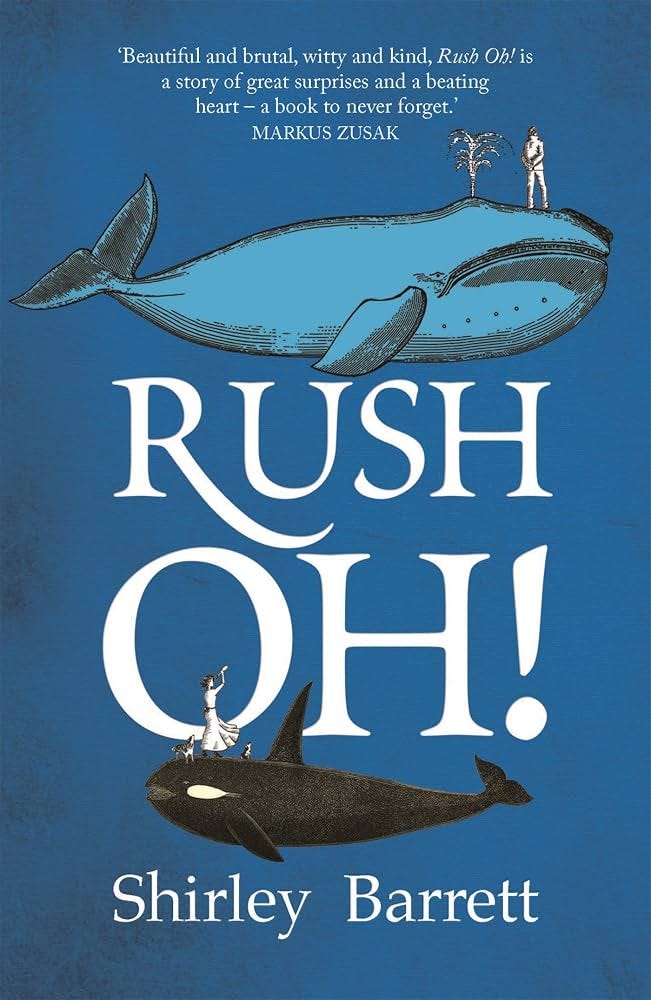
Rush Oh! by Shirley Barrett (2015)
Oh, I loved this. Adored! Cherished!
Rush Oh! tells the story of George ‘Fearless’ Davidson, a famous whaleman on the south coast of NSW. The novel follows the whaling season of 1908, when the industry is in decline. It’s narrated by Mary, Davidson’s intelligent eldest daughter, who is documenting the events of the year as it unfolds.
Through her perspective, the world feels sharply observed and deeply personal. She is witty, intelligent, and strikingly self-possessed, and she makes for a compelling narrator. Much of the book is shaped by her observations and reflections as she witnesses events.
One of the novel’s strengths is its sense of place. The depiction of Eden and its surrounding coastline is so vivid it feels almost transportive. The landscape is rendered with such precision and atmosphere that I was completely immersed in the setting. The writing balances rich description with a surprising lightness of touch. At times, the novel is unexpectedly charming, even funny, without undercutting its emotional weight.
There is a layered quality to the storytelling that gives the book its depth. It is, at its core, a family story, but also one that does not shy away from the brutality of whaling and the realities of the time. That contrast, between beauty and violence, humour and seriousness, is handled with real confidence.
Rush Oh! was a genuine delight – immersive, thoughtful, and joyful in places I didn’t anticipate.
*
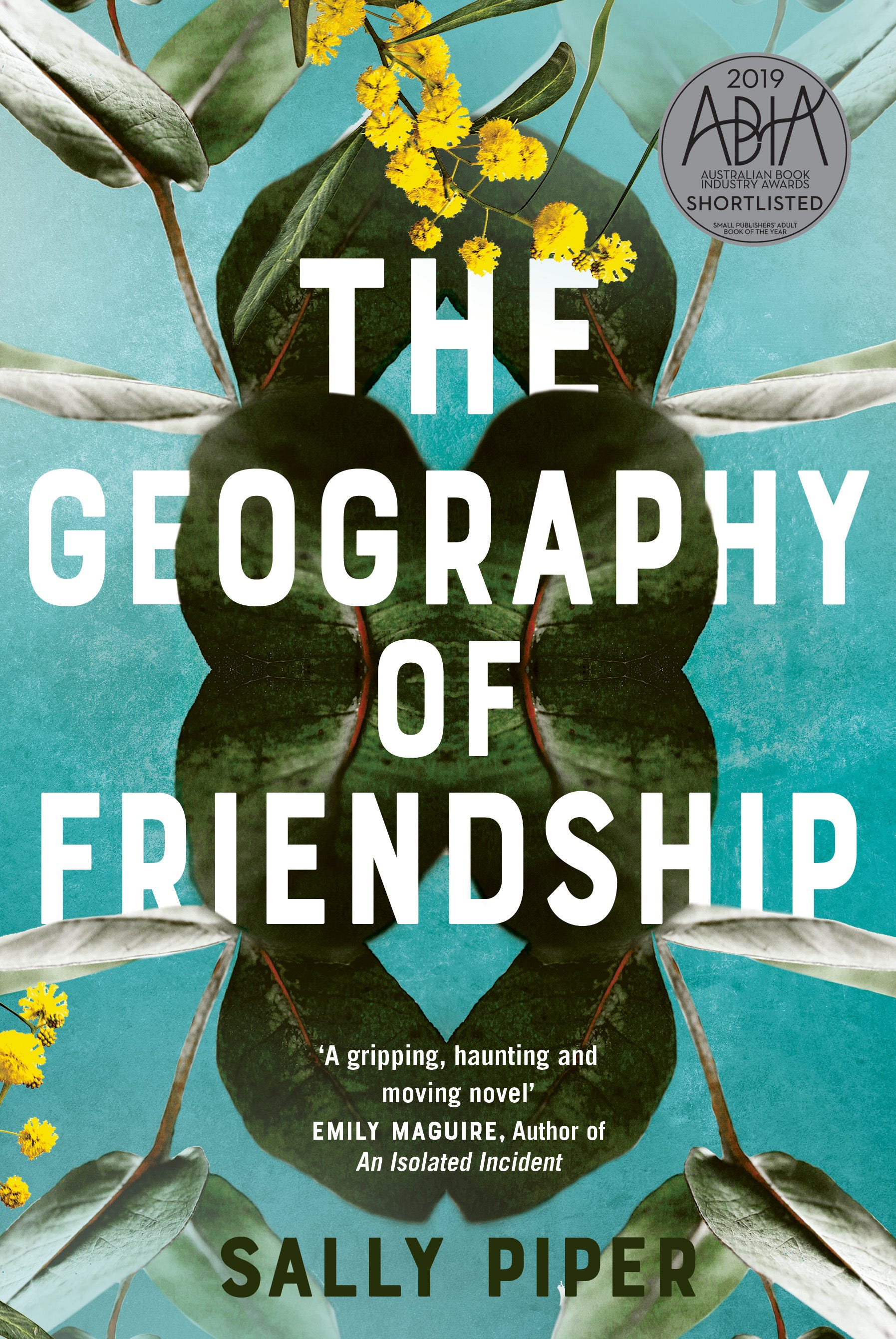
The Geography of Friendship by Sally Piper (2018)
This opens with an intriguing premise: three women reunite for a hiking trip, forcing them to confront the events of a trek they undertook as teenagers, which has lingered in the background of their friendship for years. The novel moves between past and present, creating a propulsive sense of mystery, and I’ll admit I kept turning the page because I wanted to find out what happened on their first hike.
Piper’s depiction of the Australian landscape is one of the novel’s strengths. The setting is vivid and immersive, and the physical challenges of the hike maintain momentum throughout the story. The central mystery is compelling and there is a persistent sense that a revelation is just around the corner.
However, the novel’s structure makes it difficult to settle into the story. It’s not immediately clear which timeline (or hike) we’re reading, and I found myself needing to reorient myself quite regularly. The narrative follows three women, but I struggled to distinguish their individual backstories and personalities because we move between them too frequently. I wanted a little more time with each character for their histories and relationships to fully take hold.
The novel is ultimately quite slow paced, and the prose shifts between vivid, highly specific observations of the landscape and more abstract, literary meditations on memory, friendship and fear. At times I found these transitions effective in creating atmosphere, though they often felt quite mismatched, jolting me out of the plot and making me feel untethered from the story.
This one wasn’t quite for me but it would be well suited to film. The landscape and mystery feel inherently visual, and I suspect the shifts between timelines would be easier to follow on screen.
*
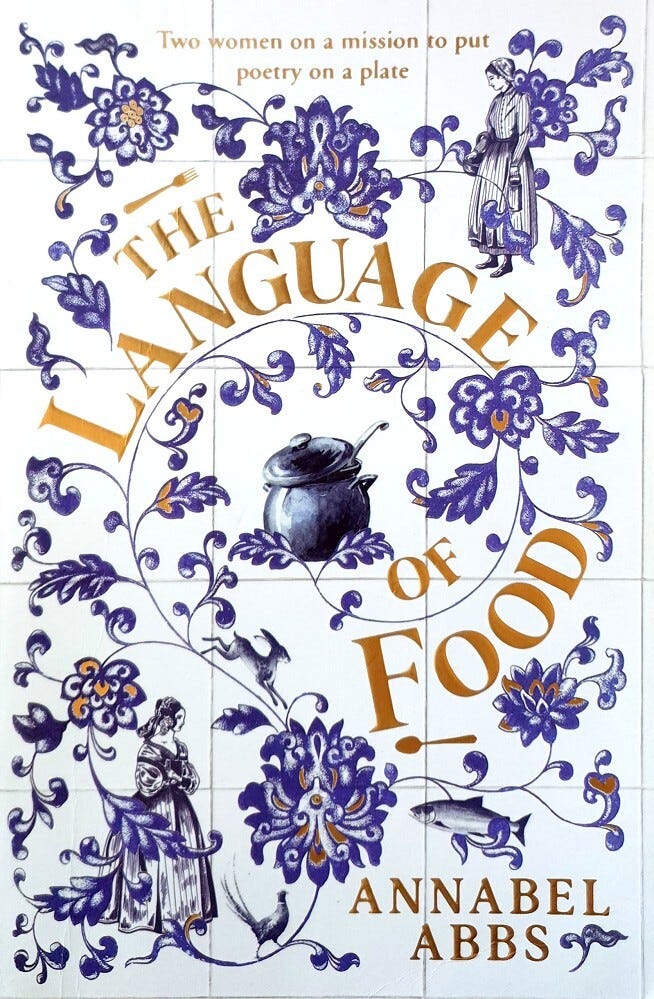
The Language of Food by Annabel Abbs (2022)
How charming! The Language of Food was so beautiful to read. Original, striking historical fiction that brings the culinary world of nineteenth-century England to life. Inspired by the creation of one of the era’s first truly instructional cookbooks, the novel follows Eliza, a successful writer who is persuaded by her publisher to write a cookbook despite having little practical experience in the kitchen. To complete the project, she partners with Ann, a talented young cook whose expertise becomes indispensable.
The novel unfolds through alternating perspectives, allowing both women to emerge as fully realised characters. Over the course of a decade, Eliza and Ann develop a deeply affecting friendship built on mutual respect, curiosity and collaboration. Their relationship forms the emotional heart of the story, and provides much of the novel’s warmth.
While the book explores themes of class and gender, it does so without feeling heavy-handed. Instead, these issues are woven naturally into the characters’ lives and ambitions. Eliza’s experiences highlight the limitations placed on women in publishing and intellectual life, while Ann’s story offers insight into the rigid social hierarchies of the period. Together, their perspectives create a nuanced portrait of a changing society.
The novel’s greatest strength, however, lies in its food writing. The descriptions are rich, visceral and wonderfully detailed, making even the simplest ingredients feel extraordinary. Whether describing the preparation of a meal or the sensory experience of eating it, the prose captures the textures, aromas and flavours of food with remarkable skill. The story is at its most compelling when immersed in this culinary world.
Though it is a quiet novel, The Language of Food is a beautiful one. Thoughtful, immersive and full of warmth, it offers a compelling blend of friendship, history and food, with descriptions so vivid they practically leap off the page.
*
Talk to you soon, for another roundup of reads!
Jess